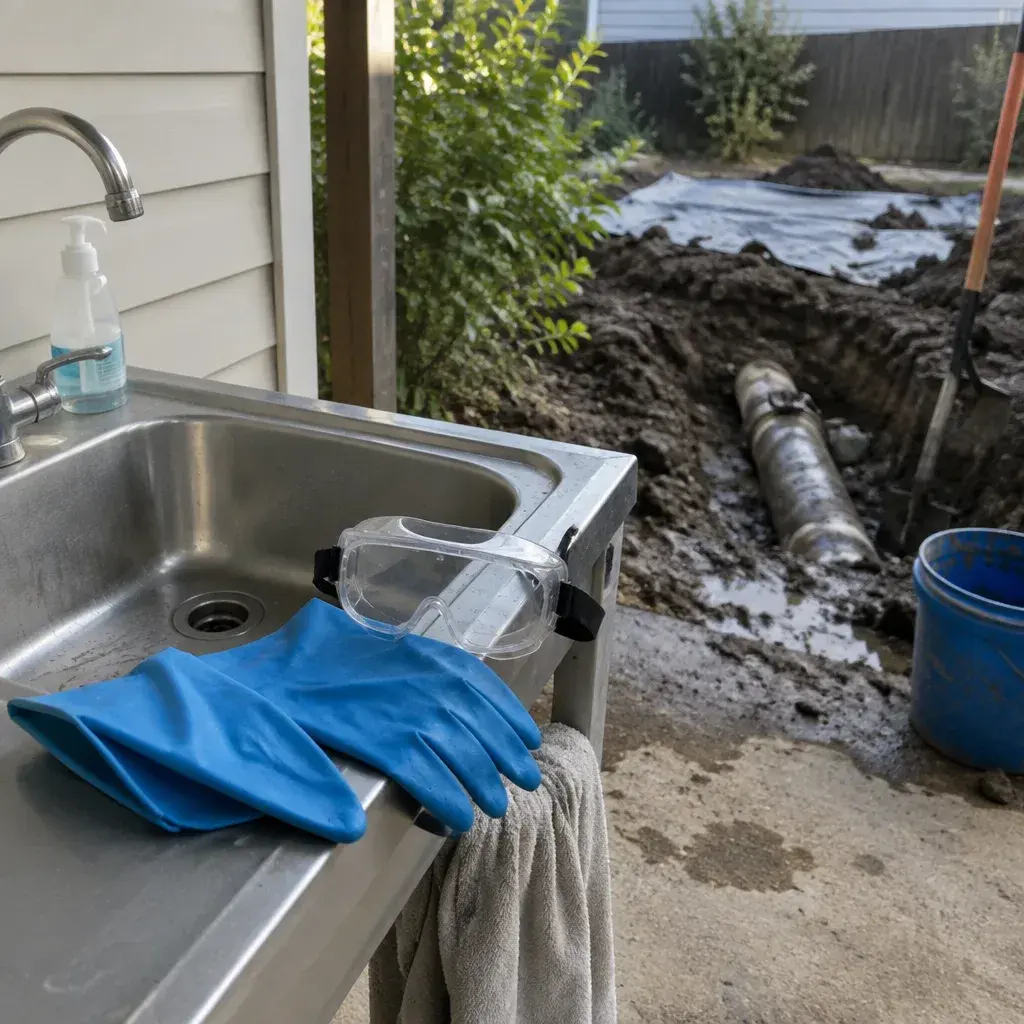
Basement Sewage Cleanup
Get clear guidance for managing contamination and planning the cleanup.
View Basement Sewage Cleanup help in the United States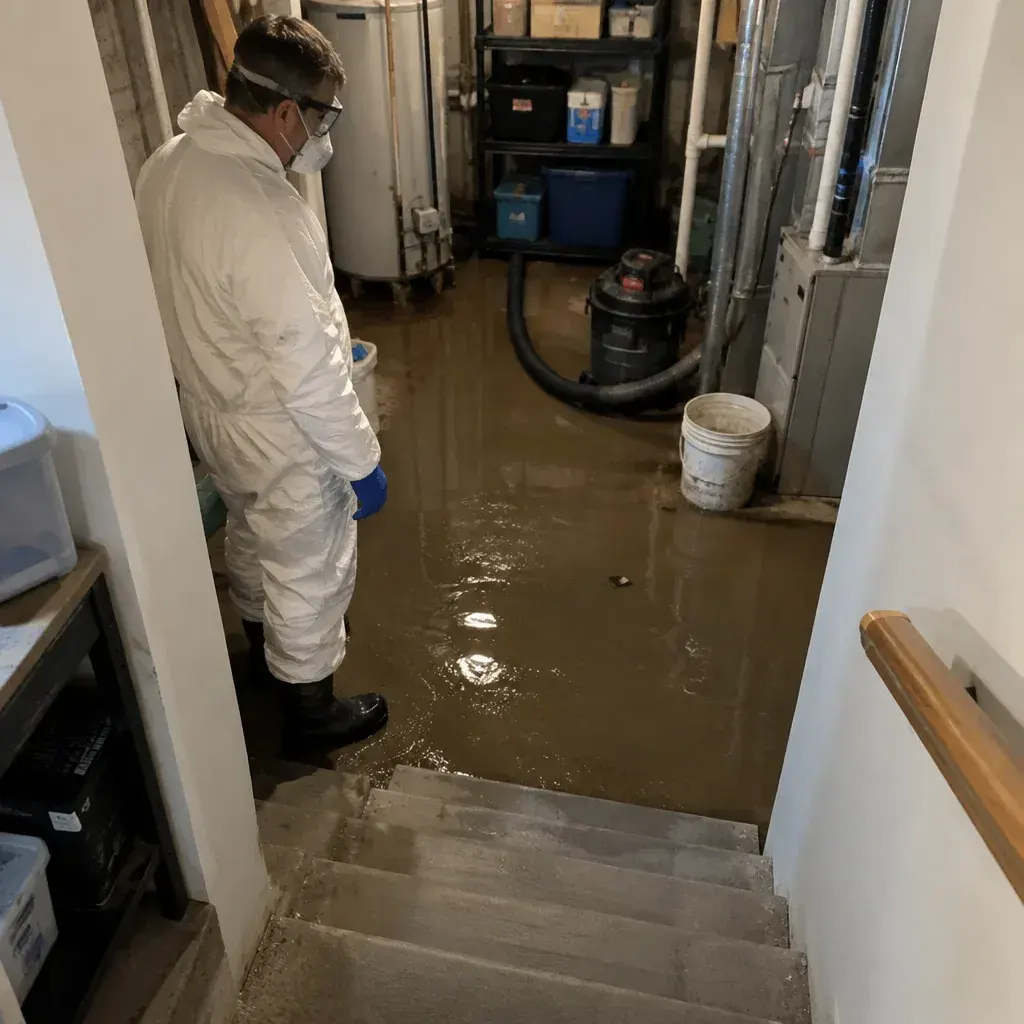
Check where wastewater reached, which surfaces remain damp, and whether an odor lingers. Until the area is assessed, leave sewage and soaked contents untouched and route household members and animals around the room. Note which rooms and contents show visible effects before requesting an assessment. Tell the licensed pros we connect you with what you observed when requesting an assessment. Area pages mark listed locations. If yours has no page, the national entry point can still connect you through the shared referral. Describe the backup when requesting an assessment.
Check with the pros we connect you with to see whether cleanup is available at your address.
In the United States, sewage can back up into homes and businesses, leaving you unsure which indoor areas need attention first. Basement Sewage Cleanup, Crawl Space Sewage Cleanup, Toilet Overflow Sewage Cleanup addresses the spill in sequence: remove sewage, take out contaminated materials, then clean and disinfect surfaces so you can understand what the cleanup has covered.
Ask the pros we connect you with to map sewage removal, cleaning, disinfection, and drying, then explain which absorbent contents or building materials may have to go. A plumber can trace and repair the backup source if needed.
The communities from Anniston AL and Auburn AL to Birmingham AL and Homewood AL have access to Sewer Backup Cleanup through this service. Contaminated items can carry sewage residue beyond the visibly affected area.
The assessment traces where wastewater traveled and checks how far it entered building materials. Affected rooms may be separated from cleaner parts of the structure before sewage is extracted. Items in the work area can be moved or protected before contaminated materials are removed. Odor treatment and drying address what remains after removal and cleaning. Ask whether any affected finishes may need repair after cleanup and drying are complete.
Get clear guidance for managing contamination and planning the cleanup.
View Basement Sewage Cleanup help in the United States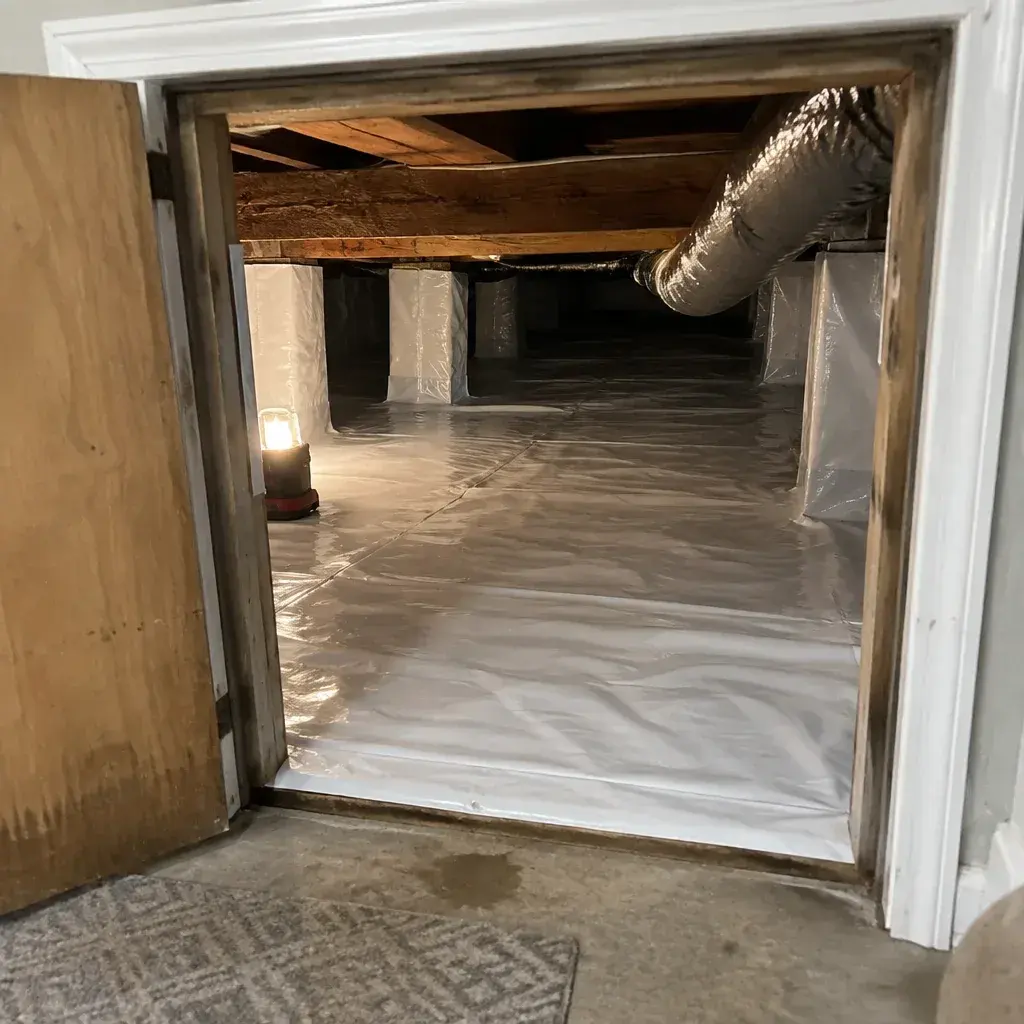
Contained sewage removal, surface cleaning, and careful crawl-space drying.
View Crawl Space Sewage Cleanup help in the United States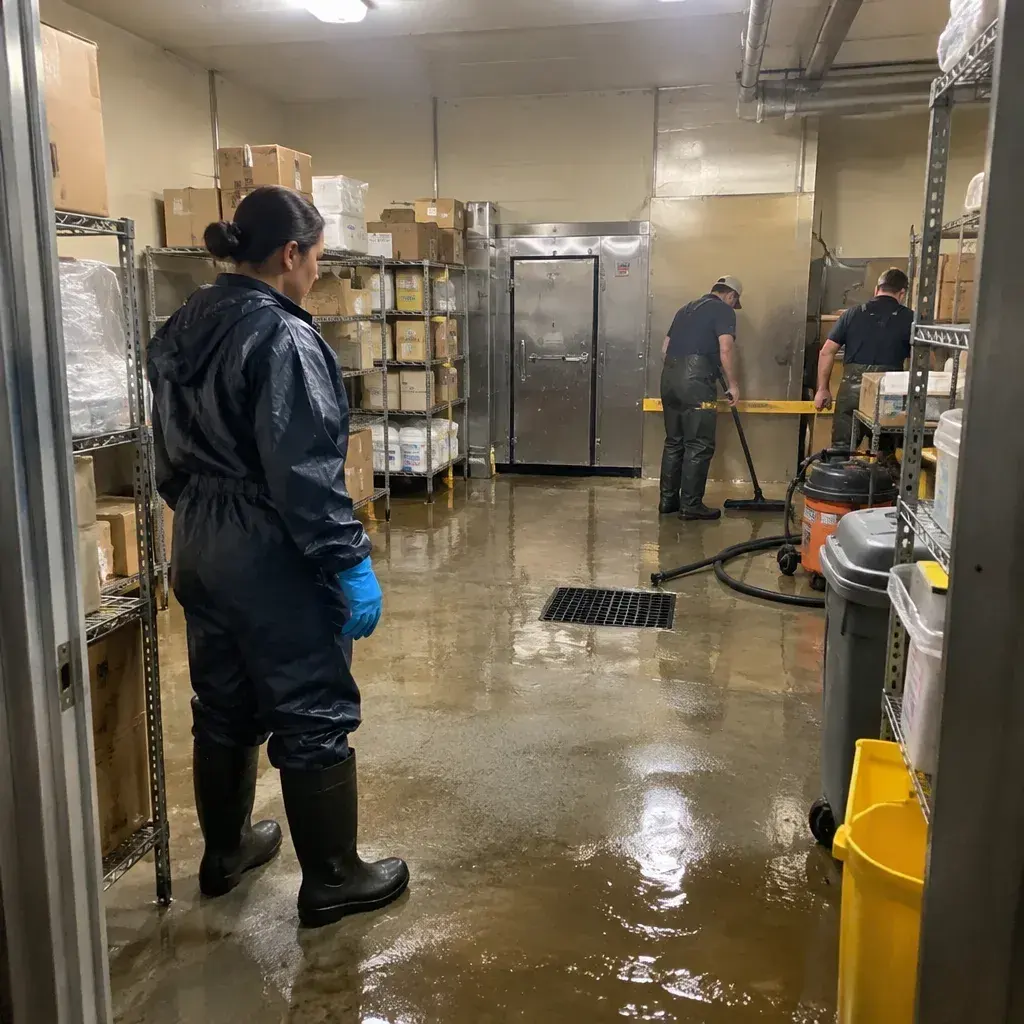
Find out what a cleanup provider may assess after a sewage toilet overflow.
View Toilet Overflow Sewage Cleanup help in the United States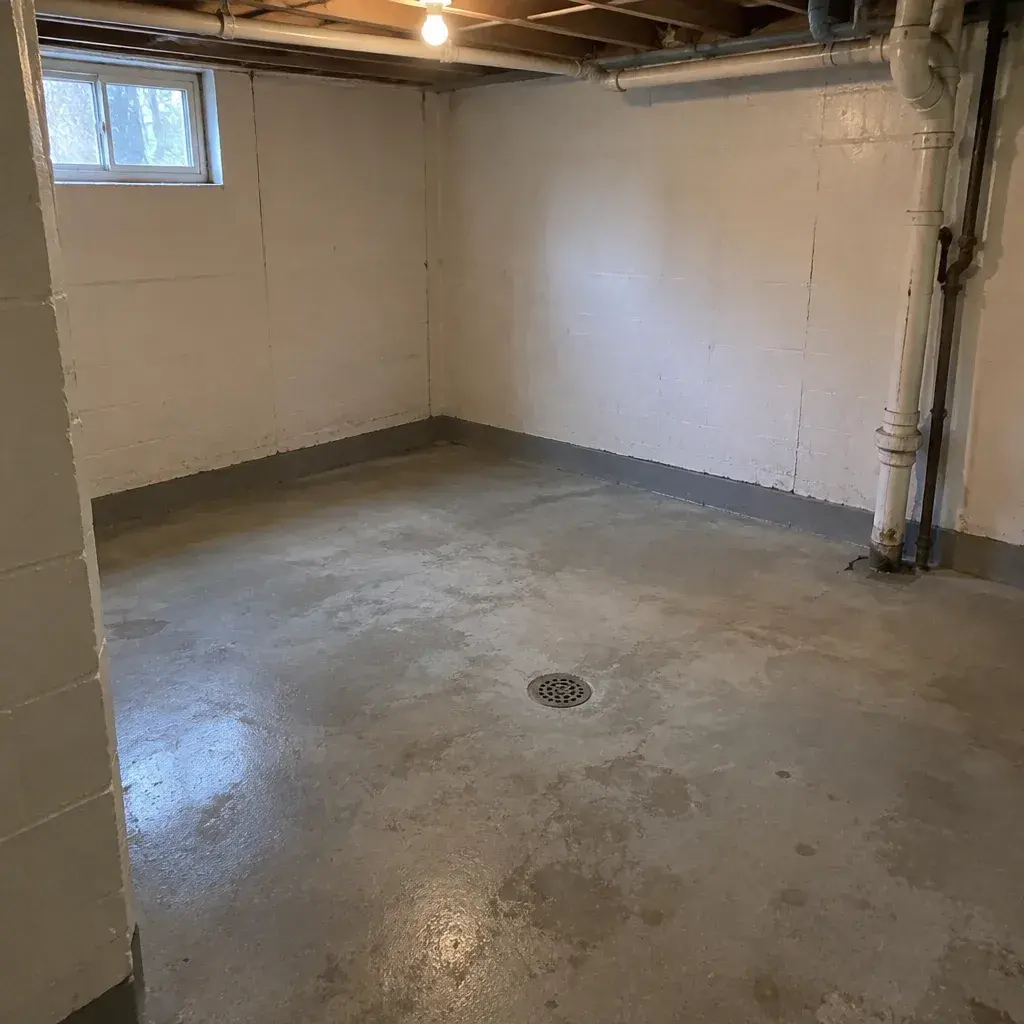
Contain the spill, assess affected materials, then clean and dry the space.
View Floor Drain Sewage Cleanup help in the United States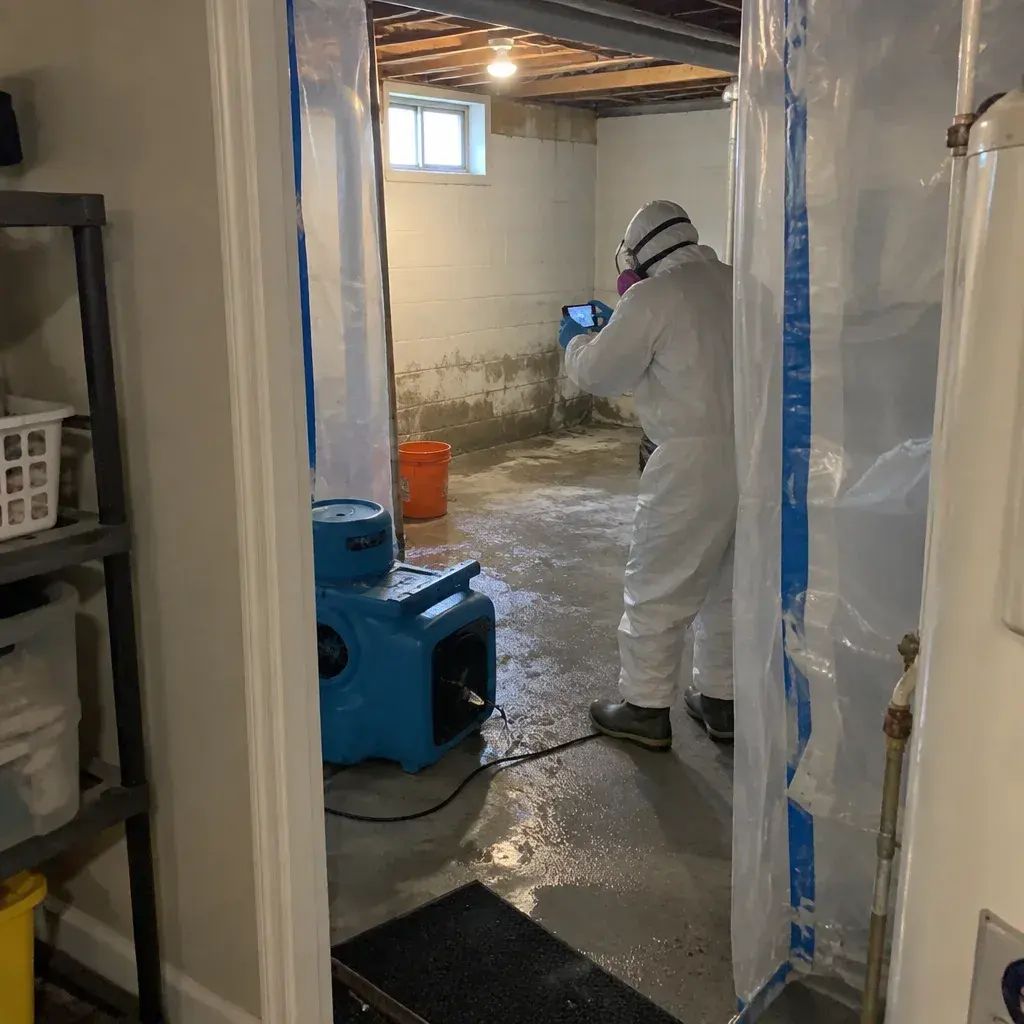
Before work starts, ask the pros we connect you with how they’ll keep sewage and debris from spreading into unaffected rooms. Have them describe how they’ll check impacted surfaces and belongings, decide what can be cleaned where it is, and identify anything that may need to be removed, disinfected, or dried. Request a written outline of the planned work so you can understand what will happen in your home.
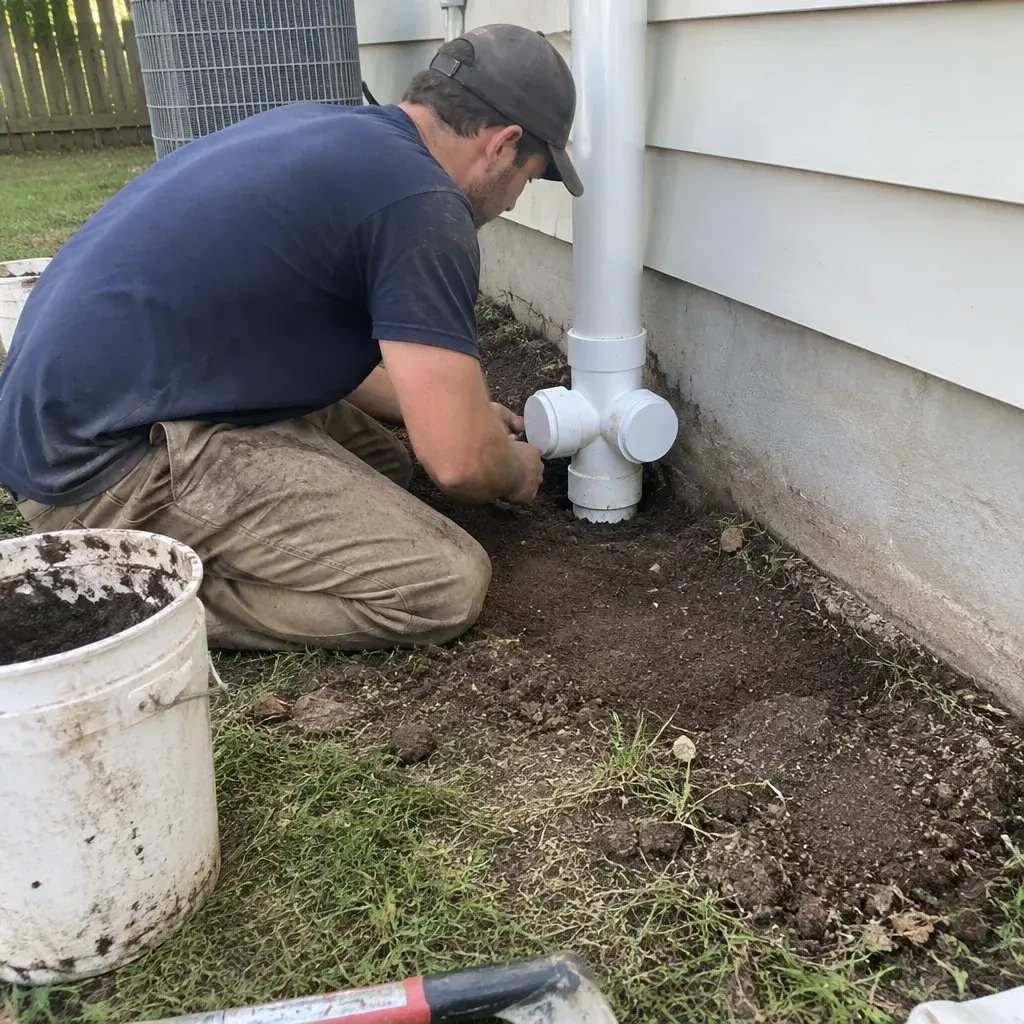
How cleanup inside the structure differs from sewer line repair for the United States homeowners.
When can you use an area again after sewage cleanup? Equipment being gone is not, by itself, a clear signal to return.
Read article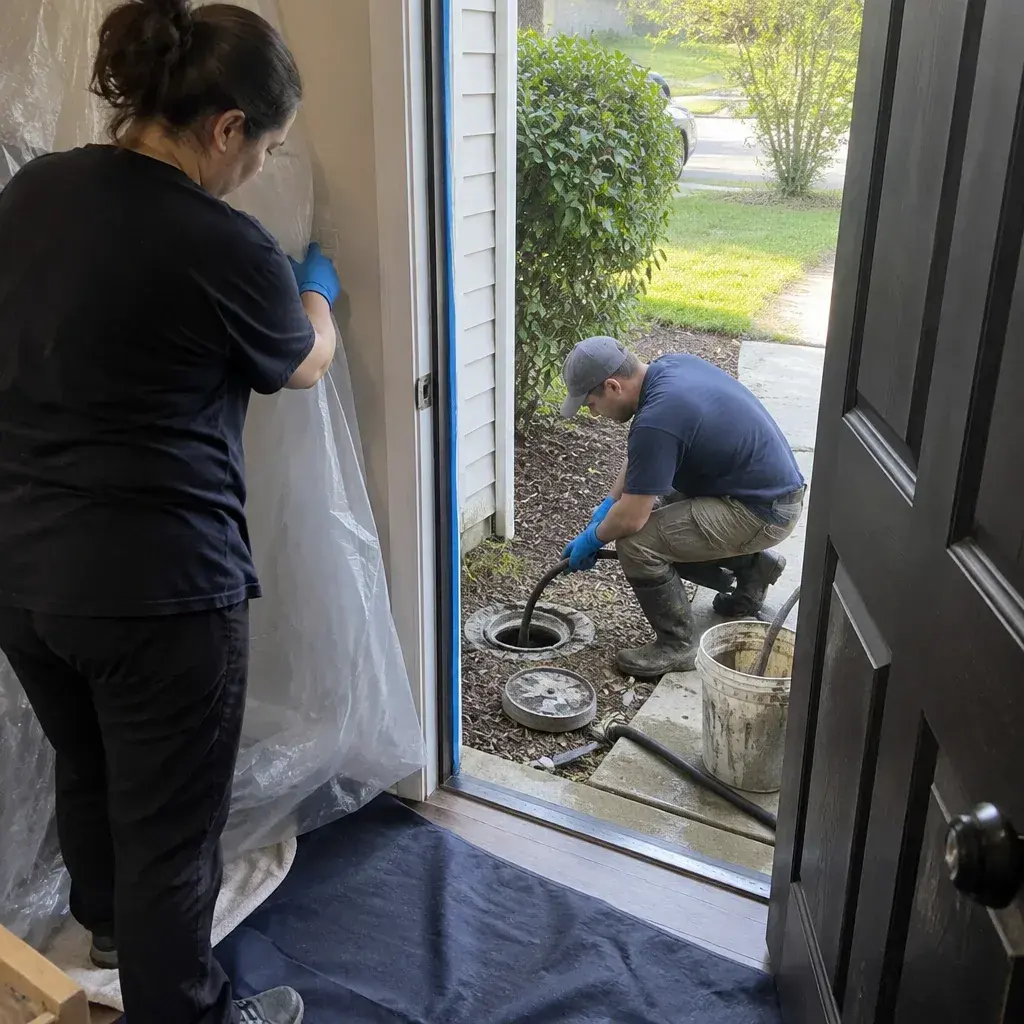
A visible cleanup area may not show every room the assessment needs to include. Learn how room separation, worker access, and household needs shape the decision.
Read article
A call can clarify what to report and what the arrival estimate covers. Learn what to report, what can affect dispatch, and what to clarify while waiting.
Read articleSewer backup cleanup addresses sewage and its effects inside a building. The work may include containment and extraction, followed by removal of materials that cannot be cleaned safely. The cleanup may also need to reach materials beneath visible surfaces if sewage seeped into them. Each step prepares the area for the next: removing contaminated material clears surfaces for treatment, and drying follows cleaning. The assessment helps determine which parts of that sequence the affected rooms need.
Slow drains or gurgling fixtures can help describe what happened before a sewer backup cleanup call.
Sewer Backup Cleanup in Anniston ALAuburn publishes sewer backup and overflow reporting guidance; use its contacts for public concerns, then arrange an indoor cleanup assessment.
Sewer Backup Cleanup in Auburn ALIndoor cleanup planning considers which materials were affected, how contamination may have spread, and whether the area is safe to access.
Sewer Backup Cleanup in Birmingham ALFor Homewood residences, check property entry and work-hour procedures before arranging cleanup access.
Sewer Backup Cleanup in Homewood ALStart by separating liquid, absorbent contents, and building surfaces: each can call for a different response after sewage enters a room. Extraction takes up the water, while porous items that absorbed it may need removal because wiping cannot reach contamination held inside. Remaining affected surfaces are washed and disinfected, then building materials are dried where moisture remains. Odor treatment can follow once sewage and contaminated material are gone. Moisture checks can help find damp areas that are easy to miss after visible water is removed.
Check low points first: wastewater at a floor drain, staining around a sump area, or a dirty tide mark on concrete can show where contamination collected. Then follow residue toward nearby walls and doorways. Sewage may travel beyond the deepest pool, so a dry-looking strip is not enough to establish that the area is clean. Keep out of the affected space and let a cleanup professional assess the full reach before contents or finishes are moved.
Basement Sewage Cleanup →Treat a sewage smell near a crawl-space vent or access door as a reason to keep clear, even if you cannot see liquid. Waste may have settled beneath the opening or left residue where air moves out of the space. Do not crawl in to trace the odor or move stored items. A damp or discolored patch on materials near the opening can signal that wastewater reached beyond the visible area.
Crawl Space Sewage Cleanup →A toilet overflow can leave contamination below a floor finish even after the surface looks clean. Check for loose tile, separated seams, or a floor that gives slightly near the toilet; these changes can point to water beneath the visible layer. Tell the cleanup assessor which areas were wet and what you have already wiped or removed. That helps determine whether the subfloor needs inspection, material removal, or drying as part of toilet backup cleanup.
Toilet Overflow Sewage Cleanup →Check the floor around the drain, then look at the feet of boxes, hampers, and stored equipment nearby. Sewage can leave marks on items that were not fully submerged, showing how far it moved across the room. Do not lift or sort contaminated belongings yourself. A waterline on a wall or floor covering can show how high sewage reached beyond the open puddle.
Floor Drain Sewage Cleanup →Once you describe where the backup reached and whether its source is still active, the pros we connect you with can inspect the affected space and explain a proposed scope before work starts. The plan may isolate the area from clean rooms, remove sewage, and take out absorbent materials that cannot be cleaned adequately. Removed debris is kept separate from materials that remain in the structure. A plumber may handle locating or fixing a sewer-line problem; cleanup focuses inside the structure. As work advances, affected areas and drying are checked.
Call (877) 386-0069 or use the online form. Use the form to give a clear account of the sewage backup. Ask the pros we connect you with to clarify the proposed work, schedule, and any visit charges.
Ask what the assessment will examine, whether the visit has a charge, and how its findings will determine the recommended cleanup work.
Ask what barriers will separate the affected rooms and what safety measures the written plan lists before cleanup starts.
Ask how disinfectants will be used, including label safety directions and required contact time. Find out what photos, notes, or cleanup records you can keep to document damage for an insurance claim.
Start by tracing where sewage traveled and noting which materials it reached; that map helps separate surfaces for cleaning from items that may need removal. Sewage can soak into porous materials, making removal necessary when surface cleaning cannot reach what was absorbed. Drying follows, with affected areas checked as work proceeds. Odor treatment may be included after contaminated material is removed. You review the proposed scope before work begins, so the planned steps are clear before cleanup changes the affected space.
A clear account of the problem can help focus the first discussion. Confirm the pros’ availability, timing, and cleanup charges directly.
Before authorizing a visit, ask what it includes and get the proposed cleanup tasks and charges in writing.
Ask how the licensed pros we connect you with will check whether odors remain after cleanup.
Ask what surface treatment and disinfection are planned, how the team will gauge drying, and what records you will get afterward.
Check carpet backing and lower wall surfaces first: sewage can soak into absorbent layers while it remains, leaving material that may need removal before cleaning and drying.
Each trip across sewage-wet flooring can carry contamination into rooms that were dry, while absorbent surfaces may hold it beyond what surface cleaning can address.
Check whether the guide includes a checklist of details to gather before discussing cleanup.
Learn how area separation, sewage removal, surface treatment, and drying relate to cleanup work.
The residential cleanup guide covers keeping clear of sewage, deciding what happens to affected materials, and questions to settle before work.
Use plain explanations of how affected areas will be contained to limit contamination spreading during cleanup.
Note where sewage surfaced, which items or building materials it reached, and whether odors or dampness remain.
From a safe place, photograph the visible spread and note which rooms and belongings appear affected. Contact the pros we connect you with to arrange an assessment. Your photos and notes can help organize information for an insurance claim, although they do not determine what your policy covers. Avoid carrying affected belongings through clean rooms; ask how to handle them until their condition has been assessed.
Sewage can affect household belongings as well as building materials. An assessment then identifies what the backup reached and which materials should be removed. Items that cannot be adequately treated may also need to be removed. Odor treatment may be included. The scope should name the rooms and materials involved, since the tasks depend on how far the sewage traveled and what it contacted.
Call a plumber if the blockage is unknown, the sewer line may still need repair, or the backup happens again. A plumber diagnoses the pipework and addresses the source; cleanup professionals handle the assessment and treatment of affected materials indoors. These tasks may require separate visits. The timing of the cleanup visit may depend on when the plumbing issue is resolved.
A room can contain several materials that need different decisions. Porous belongings may hold contamination beyond what is visible, while some hard surfaces may be treated differently. The review should include belongings that came into contact with affected surfaces. That gives you a clear basis to review the proposed work before anything is discarded.
Photos taken before items are moved can preserve details that are hard to see later. You can keep photos of damaged areas, notes about affected materials, and records of cleanup steps. These details document the damage for your claim, but they do not determine whether your policy covers it. Check your policy and ask your insurer what information it needs.
The estimate can depend on how far sewage traveled, which materials were affected, and whether extraction, removal, disinfection, odor treatment, or structural drying is needed. Ask whether the assessment or estimate visit has a charge, what the visit examines, and which tasks the estimate includes. If further affected areas are found, ask how that could change the described work.
Referral availability depends on whether the site lists a page for your area. Where a location page is not available, the same referral connects you with pros. The page listing can change, so check the site for the locations currently shown.
If a sewer smell remains, ask whether the planned work reached the rooms and materials identified in the assessment. Odor may also linger in belongings that were exposed to the backup. Request a review of the affected area and an explanation of any remaining tasks before deciding the cleanup is complete.
Drying is about moisture within building materials, not simply the disappearance of visible water. The assessment should identify which structural materials need drying, and progress should be checked as that work proceeds. Ask what findings will show that drying is complete. The answer depends on the materials affected and how much moisture they retain.
Use $2,700–$6,800 for this work as the cleanup estimate for sewer backup cleanup. Keep a record of affected materials to track which items the cleanup estimate covers.
Start with service coverage: locations with their own pages have a local entry point, and requests elsewhere use the same referral to the pros we connect you with. Ask whether they are available for your property and whether an assessment has a charge. Ask how they plan to keep clean areas separate from surfaces that may carry sewage. Request a written scope that separates indoor sewage cleanup from sewer-line diagnosis or repair, which may require a plumber.
Call (877) 386-0069